From the second quarter to July 2026, Chinese capital intensively launched several large-scale investment projects in the fields of copper and aluminum mineral exploration, green smelting, and deep processing in the five Central Asian countries, covering core resource countries such as Kazakhstan, Kyrgyzstan, and Tajikistan. The investment logic is deeply aligned with the industrial orientation of Central Asian countries to restrict the export of primary minerals and extend the metallurgical industry chain. Relying on the cross-border logistics of the Belt and Road Initiative and the customs clearance advantages of the Khorgos Port, a complete supply chain system of "local mining of minerals in Central Asia - local smelting and processing - port return for domestic sales + Eurasian export" has been gradually built.
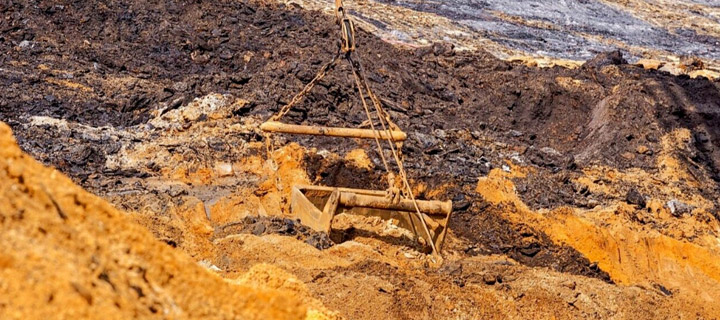
Kazakhstan has become a core area for Chinese investment, with two benchmark copper projects serving as industry models. One is the Verkhuba copper mine, a joint venture between Hong Kong-based Xinhai Mining and Kazakhstan. Xinhai Mining invested US$65 million to acquire a 70% stake in the mine, with funds disbursed in five phases. The deposit has JORC standard reserves of 20.3 million tons and a copper grade of 1.16%. Drilling to a depth of 5,000 meters and the application for mining permits have commenced this year. The cooperation agreement stipulates that primary copper feedstock will be prioritized for supply to Kazakhstani smelters, while refined cathode copper will be exported through compliant channels. This perfectly aligns with Kazakhstan's six-month ban on the export of semi-finished products, mitigating policy compliance risks. Secondly, there is the $100 million Aktobe Green Recycled Copper Project, controlled by Beijing Jinyi Yuanfang Holdings. As the first industrial project to be implemented in the Aktobe Special Economic Zone, it utilizes low-carbon recycled metallurgical processes to process scrap copper from across Kazakhstan, producing 25,000 tons of refined copper and copper cable products annually. Once operational, it will create 250 local jobs. The products will supply Kazakhstan's power infrastructure market and are also shipped to the EU via the China-Europe Railway Express. A small amount of refined copper will be imported back to China through the Khorgos port, establishing a two-way trade channel.
In addition to copper mining, Chinese investment is simultaneously improving the supporting infrastructure for the aluminum industry in Central Asia to address the current situation of Kazakhstan's large-scale alumina exports and insufficient domestic aluminum processing capacity. In July of this year, the Astana International Financial Centre newly registered China Construction Hengxin Mining, with a subscribed capital of US$5 million. Its main business is bauxite exploration and supporting technical services for aluminum smelting. Together with other Chinese mining companies such as Zijin Mining's Tianshan Resources, it forms an industrial cluster to jointly connect with Kazakhstan's bauxite resources and explore the expansion of aluminum foil and architectural aluminum profile deep-processing production lines at the Pavlodar alumina plant to enhance the added value of aluminum resources and meet the aluminum demand of Kazakhstan's domestic manufacturing industry.
In other Central Asian countries, mining cooperation is flourishing in multiple locations, solidifying the resource base. Kyrgyzstan's Silvi Metals Mining is advancing the construction of its Chalat mining area with a total investment of US$196.3 million. While primarily a gold mine, it is also exploring associated copper reserves and plans to comprehensively recover copper by-products during open-pit mining, enriching the copper supply sources in Central Asia. Meanwhile, Tajikistan's Tebian Electric Co., Ltd. is investing US$65 million to expand its high-altitude mining complex, improving the logistics of mineral extraction and beneficiation in the high-altitude regions of Central Asia, and laying the infrastructure foundation for the subsequent large-scale development of copper and aluminum associated minerals.
Overall, this round of large-scale Chinese investment is not simply a resource grab, but a win-win choice that aligns with the industrial policies of Central Asian countries. For Chinese supply chain companies, deep processing in Central Asia can circumvent export controls and reduce losses during cross-border raw material transportation; for Central Asian countries, it fills the gap in high-end copper and aluminum processing, increases tax revenue, and creates jobs. As projects gradually come online in 2026-2027, the volume of non-ferrous metals transiting through the Khorgos Port is expected to continue to increase, and port warehousing, customs declaration, and bonded processing businesses will usher in new growth opportunities.
Reprinted from Nonferrous Metals